When Jennifer, a homeowner from Oahu, returned home after a lengthy 3-week trip, the last thing she expected was the musty odor that greeted her upon opening the front door. A leaking pipe in her kitchen wall, which had gone completely undetected, had soaked deep into the drywall and damaged the finishing on her cabinets. The humidity level inside her likely sealed-up house had risen, and mold had started to take hold, spreading rapidly on her walls, cabinetry, and inside the air ducts.
Jennifer quickly searched “Mold Remediation near me” and was astonished by the variations in pricing. Some quotes were low, while others were significantly high. So, what caused the price variance? How could she be sure she was getting the right service for her money?
This type of situation is extremely common on Oahu, where mold is ever-present due to its tropical nature. Being aware of the determinants of mold remediation in Oahu pricing can help prepare you. You’ll be equipped to ask the right questions when mold cleaning is necessary and be informed when mold is no longer just an option but a requirement to address.
Understanding Mold Remediation Pricing in Oahu
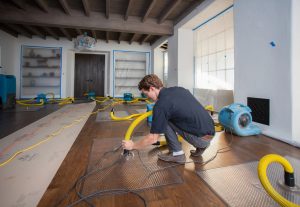
Mold remediation is a process that involves locating the source of moisture, isolating contaminated areas, removing damaged building materials, air filtration, and restoring affected areas. The price for this service can vary considerably based on several primary factors.
-
Size and Scale of Infestation
The most pressing and important cost factor is the size of the mold issue. Remediating a small area in the corner of a bathroom is considerably less expensive than addressing widespread growth behind walls or in multiple rooms of a home.
- Small mold (under 10 square feet) may only require localized treatment and minimal restoration.
- Medium infestations typically include some wall or floor removal and air filtration.
- Large infestations usually require demolition, reconstruction, and extensive air quality management.
The larger the issue, the more labor hours are required, the more materials need to be removed and replaced, and the higher the cost.
-
Type of Mold
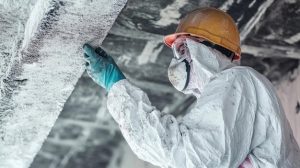
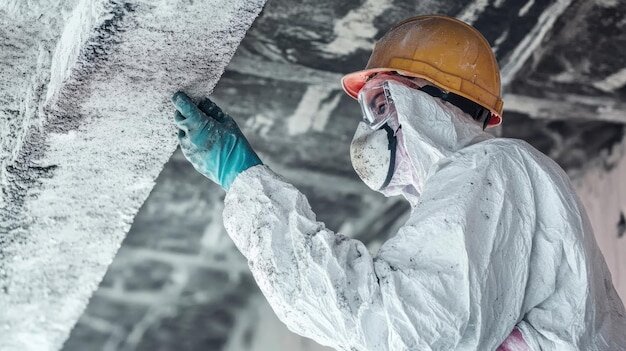
Some types of mold, for example, black mold (Stachybotrys chartarum), are more toxic than others and require extra precautions during removal. When a pathogenic or allergenic species is identified, the remediation team must take containment steps and use personal protective equipment (PPE), which increases labor and material costs.
Additionally, certain types of mold may require testing before and after removal to confirm air quality, adding another cost depending on the species found.
-
Location of Mold
If the mold is found behind walls, under floors, or in ductwork, this can significantly increase costs. Mold in inaccessible areas requires demolition or specialized equipment such as borescopes, infrared cameras, or containment tents with negative air machines. For example, Oahu mold remediation that includes crawl spaces, attics, or HVAC systems often presents complications and requires more time.
-
Moisture Source and Repairs
Mold doesn’t appear on its own; it needs moisture. Therefore, part of any mold remediation project is fixing the source of the moisture intrusion (which could be a leaky roof, broken plumbing, or structural failure). Water needs a penetrable structure to enter. While remediation pricing generally does not include fixing the underlying issue, resolving it is essential to prevent recurrence.
Remediation companies often work with licensed contractors, including plumbers, roofers, and general contractors, depending on the water source. These additional repair costs can significantly increase the total job cost.
-
Property Type and Composition
The type of building, whether a single-family home, condo, or commercial structure, can affect the cost. Older homes may contain hazardous materials that must be identified and removed by licensed professionals, which increases time and expenses.
Also, mold grows on porous materials like drywall, insulation, and carpet, which are typically unsalvageable. Non-porous materials like tile or metal may be cleaned and restored. Restoration may include:
- Drywall repairs/replacement
- Flooring repairs/replacement
- Cabling repairs/replacement
- Painting/refinishing
The reconstruction phase is essential to restoring your property. The amount of reconstruction and the finish quality desired will significantly impact the final price.
Also Read: Remediation vs. Restoration: What to Expect When Mold Has Compromised Your Property
-
Post-Remediation Verification (PRV)
In cases involving commercial properties or health-sensitive environments like schools or medical facilities, post-remediation testing is often required. An independent indoor air quality (IAQ) specialist will collect samples to ensure mold spores are within safe limits.
In residential cases, PRV is not always standard but is recommended when needed to confirm the process was performed properly. The cost for this testing depends on sample quantity and the laboratory used.
-
Emergency Response & Typical Fees
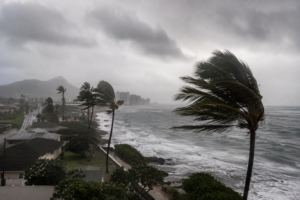
If you experience an emergency and need 24/7 immediate services after flooding or during a storm, costs will be higher due to premium service fees and rapid mobilization of equipment and personnel.
In Oahu’s hot and humid climate, mold can begin growing within 24-48 hours. Timing is critical. Always act fast, even if it means paying a bit more; it can prevent long-term damage.
-
Company Selection
Prices vary based on the experience and qualifications of the remediation company. Look for a mold damage restoration in Oahu provider that is IICRC-certified, experienced, and transparent.
While cheaper companies may cut corners, improper remediation will result in recurring mold and higher future costs. Choose certified professionals who follow industry standards and offer reliable warranties.
Money-Saving Tips for Mold Remediation
- Get Multiple Estimates: Review more than one estimate. Make sure each includes a detailed scope of work for accurate comparison.
- Check Insurance: If you have homeowner’s insurance with mold coverage, consult your agent before hiring anyone.
- Fix Moisture Problems First: Repair leaks and drainage issues before starting mold remediation.
- Take Preventative Steps: Use dehumidifiers, improve ventilation, or use mold-resistant materials to prevent future problems.
- Ask About Warranties: Reputable companies offer guarantees for their work.
So, What is the REAL Value of Quality Mold Remediation?
Although mold remediation was initially a major hassle for Jennifer, and more expensive than she anticipated, she’s grateful she chose a trustworthy local service that completed the job right the first time. Today, her home is mold-free, safe, and better equipped to handle Oahu’s humid conditions.
Mold remediation is a worthwhile investment in your health, safety, and property value. While costs vary, knowing the influencing factors allows you to make smarter decisions and potentially save money over time.
If you’re facing anything from a small leak to a full-blown mold infestation, don’t wait. Mold won’t improve with time. Call a professional and reclaim your space.
Hawaii Water Damage Restoration is Oahu’s expert in mold remediation, water damage repair, and structural restoration. Our IICRC-certified technicians are highly trained in handling complex mold cases using state-of-the-art containment and air filtration techniques. Whether you’re searching for mold removal in Oahu, or long-term prevention solutions, we offer ethical, prompt, and fully insured services across the island.
As a community-first company, we understand the urgency and emotional toll mold issues can take. We treat every home like our own, restoring safety, comfort, and peace of mind.
Looking for a mold removal company in Oahu you can trust? Contact us today. We are your local partner in protection and prevention.