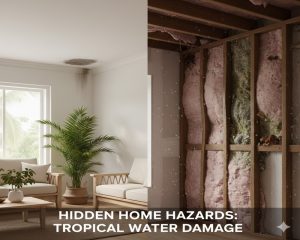
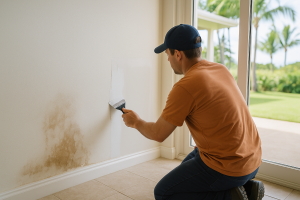
Among the most dangerous natural events affecting Oahu homeowners each year are tropical storms and flash flooding. According to NOAA, Hawaii encounters 3 to 5 average tropical storm threats annually; flash flooding accounts for millions of dollars of loss in property damage across the islands. Oahu’s geography creates narrow flood plains, steep pathways for runoff, and streams capable of carrying rapid water flows, rendering homes located in both low-lying and hillside communities more vulnerable than average.
Water intrusion, weakening of structures, electrical hazards, and mold growth can all occur within minutes of a storm event. When a storm has been issued as a forecast, what you do to the property before landfall will directly correlate to how affected or damaged your property will be. For many homeowners, preparation means the difference between having to perform some minor cleanup and catastrophic loss and the need for a Water Damage Restoration in Oahu professional.
This guide will break out how a tropical storm and flash flooding will impact an Oahu home, as well as what you must do before a storm event to protect your property and family.
Why Oahu Homes Are Highly Vulnerable During Tropical Storms
Oahu homes are severely impacted by stormwater damage due to the combination of the unique climate, geography, and infrastructure. Properties in proximity to gulches, natural streams, coastal plains, and/or mountainsides will witness quick to tremendous water flow that overwhelms their drainage capability.
Warm ocean temperatures continue to increase storms, resulting in intense rain, strong winds, and unpredictable flooding patterns. Even with a little bit of rain, it can create damaging runoff due to Oahu’s limited soil absorption and tight residential development. Then, after the fact, you have to deal with the tertiary problem of too much water in place and the possibility of further contamination before any restoration can begin.
Knowing these vulnerabilities will allow more aware homeowners to take appropriate protective measures before severe weather occurs.
The Flash Flooding Process in a Home
Flash floods do not move like steady rainfall. They are fast-moving, forceful floods and are destructive. Just 6 inches of rapid water flow is enough to get into ground-level areas to cause damage.
Floodwater Rapidly Moves Through Ground-Level Openings
Floodwater can quickly push through door gaps, sliding tracks, garage seals, or foundation gaps. Once floodwater is in the home, it rapidly moves over the floor, baseboards, and lower walls. Just a half inch of standing water can impact flooring, drywall, and electrical systems.
Floodwater Contaminant Loading
Floodwater will usually contain mud, bacteria, sewage, pesticides, and industrial runoff. This is what categorizes water as unsafe; therefore, homeowners cannot just dry it or clean it after it comes through. Contaminated water must be removed and treated with professional equipment to prevent exposure to long-term health issues.
Moisture Migration Into Structural Cavities
Water does not stop at the surface. Wall cavities, insulation space, cabinets, and subflooring absorb large amounts of moisture. If hidden from view, trapped moisture conditions can last for weeks, contributing to the development of mold, wood rot, and structural decay.
Roof Damage: One of the Largest Macro Weaknesses Before the Storm
Tropical storm winds create the best conditions for high roof survivability. If roofing structural materials are breached, water intrusion rapidly accelerates.
Shingles and Tiles Dislodge
When roofs are loosened, such as shingles, tiles, or flashing, rain can leak directly into the home’s attic spaces. Moisture can spread along the roof rafters and across the insulation, while the leaks can go undetected for days or even longer.
Debris Damage Increases Potential for Water Intrusion
Debris resulting from storms, palm fronds, branches, or objects in the air can puncture the building’s roof line. A small opening allows water to leak inside the home and spread behind ceilings and walls.
Moisture Prevents Proper Ventilation and Quickly Develops Mold
In Oahu’s humid climate, moisture that lingers in attics can generate mold growth within 24–48 hours. Since the attic is a space that we often don’t check, mold colonies can spread for weeks before anyone notices.
Drainage and Grading Issues Can Allow Storm-Related Damage to Multiply
Many homes in Oahu have grading that slopes toward the home rather than away from it. Also, with clogged yard drains and limited drainage capability, yards can fill with water very quickly.
- Improper Grading Forces Water Toward the Foundation
Water naturally follows gravity. When soil slopes toward the home, stormwater will pool against the exterior walls and the edges of the foundation. This pressure builds in the sediment, forcing water into the crawlspace, cracks in the slab, and lower-level living areas.
- Clogged Yard Drains Will Overflow Within Minutes
Storms can bring leaves, palm debris, and sediment that block drains. Eventually, when water has nowhere to go, it will begin to back up into the garage, lanai, and entry.
- Standing Water Weakens the Home’s Exteriors
When the exterior of the structure stays saturated for an extended time, siding, stucco, concrete, and wooden supports can deteriorate. If you don’t address the water fast, then you can have long-term problems.
Wind-Related Damage Contributes to Water Intrusion
During tropical storms, wind-related damage can make a structure especially vulnerable to water gaining access to the structure.
- Broken Windows Allow for Immediate Flooding
Debris that flies during storms can shatter windows, letting wind and rain surge right into the house. It’s possible for rooms exposed to the outside elements to be thoroughly drenched in a matter of minutes.
- Damaged Soffits and Vents Allow for Invisible Water Entry
Even slight shifts in soffits or vents can cause stormwater to enter attics or crawlspaces where it cannot be immediately detected.
- Wind-Driven Rain Can Penetrate Seemingly Closed Surfaces
Very high-speed rain can enter through even the smallest cracks or gaps that would otherwise stay dry in normal weather.
Proper Preparation is Imperative for Oahu Homeowners Before the Storm
Being proactive in preparation will greatly reduce storm and flooding damage. The more you prepare, the better protected your home will be.
Inspect and Reinforce Your Roof
Check for lifted shingles, corroded nails, loose or corroded flashing, and cracked tiles on the roof. Rapidly acting to repair or address these weak points will help keep stormwater out of your house. Homeowners at risk for extreme winds should consider hurricane clips or additional fasteners.
Clear Gutters, Downspouts, and Drainage in the Yard
When water fills the gutters beyond capacity, it will overflow onto your siding and foundation. Clearing all drainage pathways will help move the rainwater away from your house during heavy rains.
Seal Windows, Doors, and Sliding Glass Tracks
Applying quality weather stripping, sealing gaps with caulking, and properly sealing windows and doors helps prevent the risk of wind-driven rain entering the house. Door sweeps can also help minimize rainwater flooding at ground level.
Elevate Items in Areas Particularly Vulnerable to Flooding
Garages, storage rooms, and front and back living spaces are most vulnerable. By raising furniture, boxes, appliances, and electronics off the floor, you minimize their initial contact with water in the event of a flood.
Prepare & Understand Electrical Safety in the Event of Power Loss
Remember to unplug your appliances, raise power strips above the floor, and relocate electrical devices. Water and electricity mixed together create serious risks.
Know Who You Can Call
Having the contact information of a water damage restoration company in Oahu makes it easier to call for assistance after a storm passes. The sooner water is extracted, the less damage occurs and the less money is spent on repairs.
Why Fast Action Matters After a Tropical Storm
Water damage gets worse in Oahu’s humid climate quickly. It is crucial to act within the first 24 hours.
- Moisture Spreads in Minutes
Water wicks through building materials quickly and might travel several feet away from where it entered. The sooner you extract it, the less will be absorbed into the structure.
- Mold Growth Will Start in 24–48 Hours
The humidity in Oahu accelerates mold activity. Once mold colony growth starts, remediation will require much more labor.
- The Longer Water Remains, the More Expensive the Repairs
The longer water is left to settle, the necessary repairs include:
- Removed flooring
• Cut drywall
• Replaced insulation
• Structural repairs
• Full mold remediation
Fast action prevents these repairs.
Conclusion: Rely on Experts For Water Damage Restoration
Tropical storms and flash flooding put your Oahu home at risk for significant damage because of the humidity, terrain, and lack of drainage systems. It’s possible to receive water damage in just minutes, and it can take weeks for moisture to reveal itself if your home is unprepared. Before a storm strikes, homeowners can prepare themselves in ways that reduce losses associated with water intrusion.
Roofs can be reinforced, drainage can be cleared, valuable possessions can be elevated, openings can be sealed, and emergency contacts can be prepared ahead of time.
When water does breach a home, it is critical to act fast with qualified professionals to minimize damage, delay mold response, and avoid costly repairs later on. With preparation and action, homes can be protected to maintain health and peace of mind during the tropical storm season in Hawaii.
About Hawaii Restoration Services in Oahu
Hawaii Water Damage Restoration is the local Oahu trusted expert for emergency water extraction, structural drying of contents and structure, mold preventive measures, storm recovery/property damage cleanup, and all aspects of restoration.
Using professional-level equipment, certified restoration technicians, and rapid-response service, the Hawaii Restoration Services team ensures the home is safe for re-entry and restored after tropical storms, flash floods, plumbing leaks, or coastal-weather-related events.
Oahu homeowners trust Hawaii Water Damage Restoration for dependable quality service, documentation, and efficient recovery. Contact us today for more information.
FAQs:
- How fast can water come into a residence during a tropical storm?
Water can intrude within minutes from roofing gaps, door seal failures, and foundation cracks in driving, wind-driven rainfall, or flash flooding. - What areas within Oahu are prone to flash flooding?
Low-lying and gulch areas, areas near streams or rivers, and hillside homes exposed to runoff face the greatest risk. - Can I clean the stormwater myself?
No. Flash flood water is a health hazard contaminated with bacteria, sewage, and chemicals, and requires professional extraction and sanitization. - How fast will mold form after the storm?
Given the humid climate in Oahu, mold may start to form within 24–48 hours if the insulating material behind walls or flooring retains moisture. - What should I do to prepare before the storm hits?
Reinforce your roof system, clear drainage, seal openings, elevate valuables, protect electrical systems, and save a restoration company’s phone number.