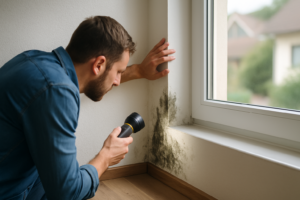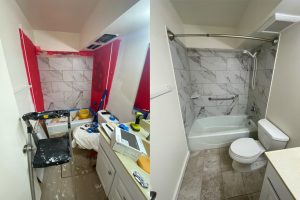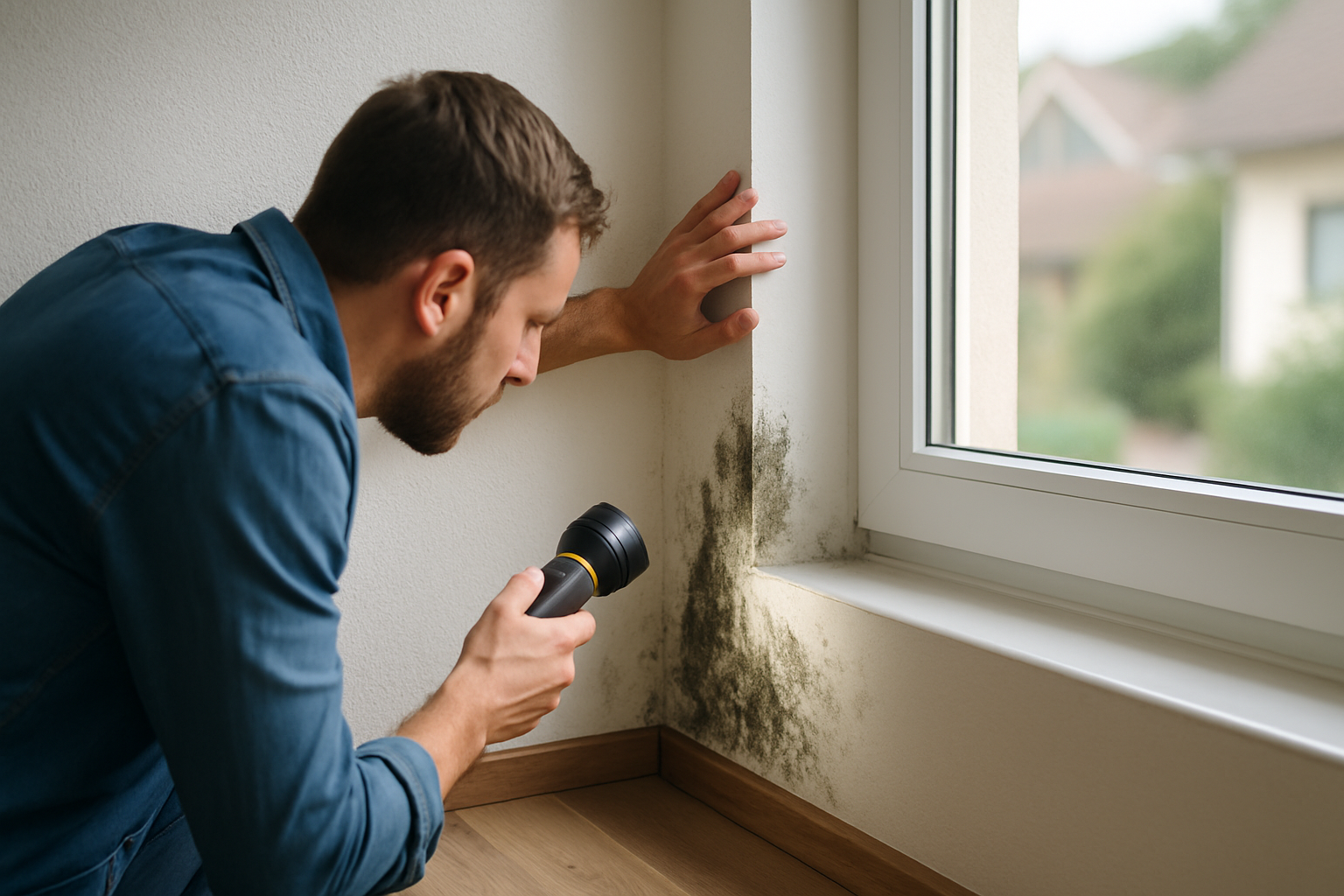
Kapolei sits on the dry side of Oahu. Less rain, lower humidity, newer houses. That reputation is exactly why hidden mold gets missed out here. Homeowners assume the climate is doing them a favor, so a musty hallway gets blamed on the carpet. The moisture in a home here usually is not coming from the weather. It is coming from a pipe, an AC line, or a seal that failed quietly.
Key Takeaways
- ›Hidden mold announces itself indirectly: odor, bubbling paint, warping, and symptoms that ease when you leave the house.
- ›The drier air out west does not remove the risk. It changes the source from ambient humidity to plumbing, AC condensate and envelope leaks.
- ›Anything you can smell but not see is already behind a surface. That is an inspection, not a cleaning job.
Why Kapolei Is a Different Case
Most mold advice written for this island assumes windward humidity. The profile here is not the same, and the difference matters for where you look.
The Dry-Side Assumption
Kapolei is Oahu's Second City, roughly 21 miles west of Honolulu at the base of the Waianae range. It genuinely gets less rain than town or the windward coast.
That leads people to rule mold out. In practice it just narrows the list of causes. Ambient damp is a smaller factor here, so when mold does appear, something specific is wet. Finding the source is more than half the job.
Newer Homes Hide It Longer
Much of the area is newer master-planned housing, including neighborhoods like Hoopili and Mehana. Modern construction is sealed far tighter than older Oahu homes.
A tight assembly is good for energy bills and bad for early warning. Water from a failed supply line has fewer escape routes and less airflow to dry it. The leak stays contained inside the wall, so the visible stain arrives late. By the time drywall discolors, the cavity has been wet for a while.
Where the Water Actually Comes From
Four sources account for most of what we find in this part of the island.
- Air conditioning condensate lines that clog and back up into a wall or ceiling.
- Supply lines and shutoff valves behind washing machines, dishwashers and toilets.
- Roof flashing and window seals that leak only during wind-driven rain.
- Bathrooms with fans that vent into the attic instead of outside.
The Checklist: What Hidden Mold Actually Looks Like
Hidden mold is out of sight by definition, so the signs are indirect. Work through these room by room.
Smell Before You Look
A persistent musty or earthy odor that survives cleaning is the single most reliable indicator. Odor is also the most overlooked one, because people adapt to a smell in their own home.
Test it properly. Come back after a few days away and pay attention in the first minute. Check closed spaces: closets, under sinks, the laundry area, and the return air vent.
Look at the Paint and Walls
Bubbling, cracking or peeling paint means moisture is trapped behind the surface pushing outward. Peeling wallpaper does the same thing.
Yellow or brown staining on walls or ceilings points to a leak above or behind. Note whether a stain has a defined edge, since a growing ring means water is still arriving.
Touch the Surfaces
Press gently along the base of exterior walls and around plumbing fixtures. Drywall that gives or feels spongy is holding water.
Look for warping. Buckled flooring, swollen baseboards, sagging wood or doors that suddenly stick all indicate long-term moisture.
Watch the Windows and Vents
Condensation that keeps returning on windowsills and glass means indoor humidity is running high. In an air-conditioned house out here, that often points at the AC system rather than the weather.
Check supply and return vents for dark speckling. Mold inside ductwork spreads spores everywhere the system blows.
Track How People Feel
This one gets dismissed and should not be. Watch for sneezing, coughing, congestion, itchy eyes or headaches that get worse indoors and ease when you leave.
Per the CDC's guidance on mold, mold can cause a stuffy nose, sore throat, coughing, wheezing, burning eyes or skin rash. Anyone with asthma or a mold allergy usually reacts first and hardest. A pattern that follows the building rather than the season is worth taking seriously.
Confirming It Without Opening a Wall
You do not need to start demolition to get an answer.
Start with the moisture source. Run the AC for an hour and check the condensate line and the ceiling below it. Look under every sink with a flashlight. Check the water meter with everything off, because movement means a leak somewhere.
A moisture meter costs little and reads damp behind a surface without damage. Thermal imaging goes further and shows temperature differences where water sits inside an assembly. That is how Hawaii Water Damage Restoration locates hidden mold signs Kapolei homeowners can smell but cannot find.
The EPA's guide to mold and moisture has a dedicated section on hidden mold, and its warning holds here. Investigating suspected hidden growth can disturb it, which is why probing a wall yourself is a poor first move.
If You Are Buying or Selling in Kapolei
The local resale market is active and median values run above $800,000. That raises the stakes on a musty smell during a viewing.
Sellers have a legal duty. Under Hawaii law, HRS Chapter 508D, a seller must provide a written disclosure of known material defects. A history of significant mold counts as one.
Buyers should treat odor as a reason to ask directly and to bring in an inspection before closing. Renters have a route too, since severe mold that threatens health can breach the landlord's duty to keep a home habitable. Put any report in writing and date it.
Frequently Asked Questions
1.What are the most common signs of hidden mold?
2.Does Kapolei really get less mold than the rest of Oahu?
3.How fast can mold grow behind a wall?
4.Should I test the air for mold?
5.Does a landlord have to fix mold in Hawaii?
Smell It First, Find It Second
Hidden mold is a detection problem before it is a cleaning problem. Trust the odor, check the paint and the soft spots, and pay attention to who feels worse indoors.
If something keeps coming back after you clean it, the water is still arriving. Hawaii Water Damage Restoration maps moisture with meters and thermal imaging across Kapolei and West Oahu. The search does not start with a hole in your wall. Once the source is clear, our team handles mold removal and remediation with containment so spores do not travel.
Catching hidden mold signs Kapolei homes show early keeps a wall repair from becoming a rebuild.