Hurricane season runs June 1 through November 30. If you want flood coverage in place for it, the clock already started. Most flood policies carry a 30-day waiting period, so a policy bought in late May does nothing for a June storm. That timing catches Honolulu homeowners every year. The rest of the prep list has a deadline too, and it is not the day a warning goes up.
Key Takeaways
- ›Flood insurance usually takes 30 days to take effect, so coverage has to be bought well before a storm forms.
- ›Honolulu emergency planners recommend a 14-day supply kit, not the 3-day kit used on the mainland.
- ›Most storm water damage enters through joints and seals, not through dramatic roof failure.
Know Which Water You Are Preparing For
Honolulu's emergency planners describe a hurricane as a triple threat. Violent winds, torrential rain, and storm surge each arrive differently. Preparing for one does not prepare you for the others.
Storm surge is the coastal risk. It pushes seawater inland and damages structures near the shoreline. Salt makes the cleanup harder than fresh water. Surge damage falls under flood coverage, not a standard policy.
Torrential rain is the island-wide risk. Oahu's drainage fills quickly and flash flooding follows. Low-lying streets and properties downslope of a full culvert take on water first.
Wind-driven rain reaches every home regardless of location. It does not need a broken window. It needs a tired seal. That is the category most homeowners underestimate, and it is the cheapest one to prevent.
Start With Where Water Actually Gets In
Most prep checklists tell you to inspect the roof. That is right, but it is not specific enough. Water rarely arrives through a hole in the middle of a roof plane. It arrives at the seams.
Roof, Flashing and the Joints Between
Check flashing where the roof meets a wall, a chimney, or a vent stack. Look for lifted shingles and exposed fastener heads. Hawaii's emergency management guidance is blunt about the fix. Use waterproof sealant to close gaps and install flashing at joints. Those small steps prevent water damage and the mold that follows it.
Windows, Doors and Wall Penetrations
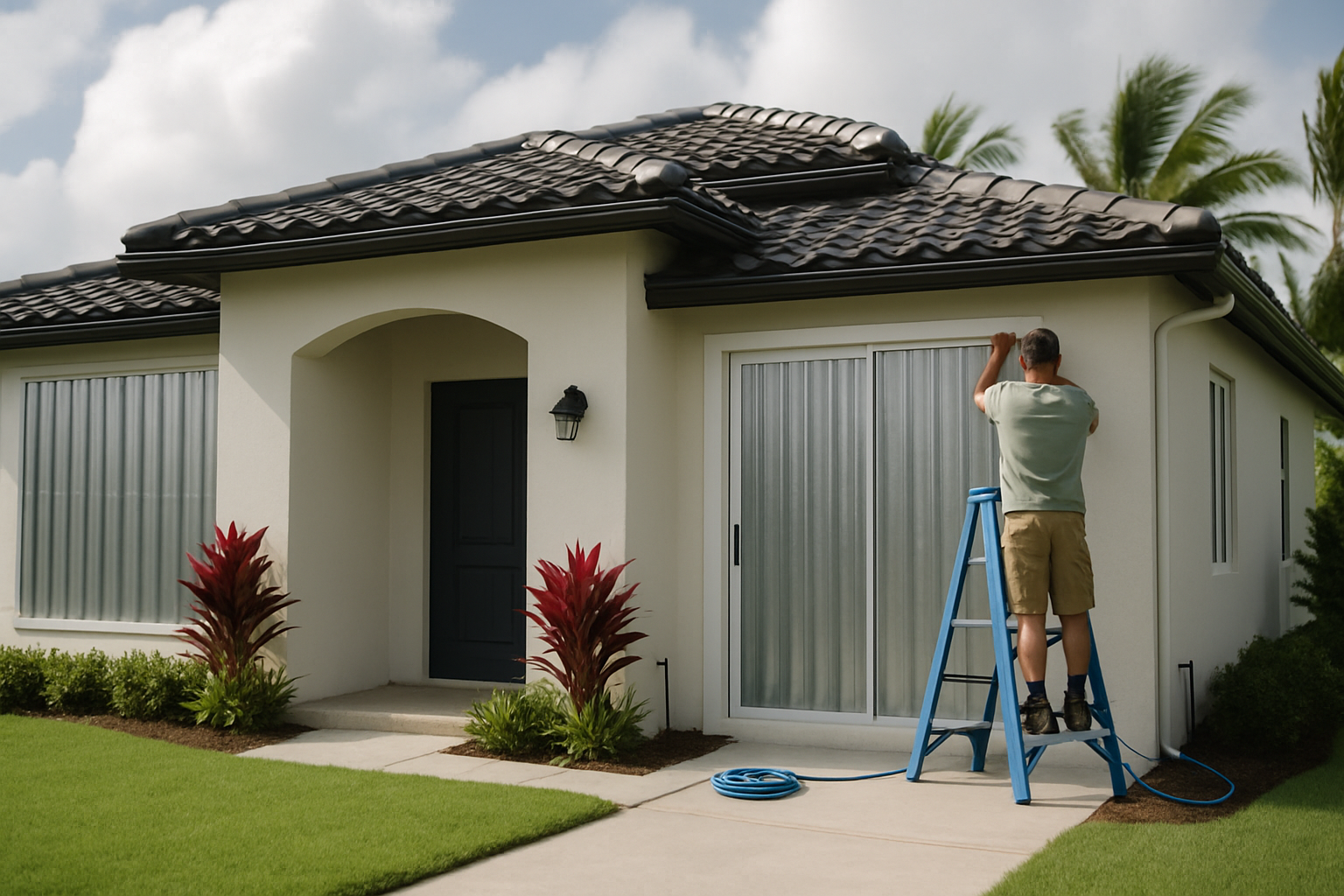
Wind-driven rain moves sideways. It finds failed caulk around window frames, worn door thresholds, and the gaps where cables and AC lines pass through walls. Run a hand along each seal. If the caulk is cracked or chalky, replace it now rather than in October.
Gutters and Ground Drainage
Clear gutters and downspouts so heavy rain leaves the roof quickly. Then follow the water once it lands. If a downspout empties next to the foundation, extend it. Standing water against a slab finds its way inside.
Secure What the Wind Will Throw
Anything loose in the yard becomes a projectile, and a broken window turns a wind problem into a water problem instantly.
Trim trees and clear dead limbs. Store patio furniture, planters, and trash bins. Tie down anything too heavy to move. Protect glass with shutters or cut plywood before the season, since plywood sells out once a storm is named.
Older homes here deserve extra attention. The City and County of Honolulu notes that many Hawaii homes were never built or retrofitted for hurricane force. Their Department of Emergency Management warns that even a Category 1 storm could leave thousands homeless on Oahu. Hurricane clips and roof ties are worth pricing out now. Hawaii Sea Grant's Homeowner's Handbook covers the retrofits, including the Hawaii Plantation Tie clip. A roof that stays on keeps the rain outside, which is the whole point.
The Insurance Deadline Nobody Mentions
This is the step most prep articles skip, and it is the one with a hard cutoff.
Standard homeowners policies often exclude wind damage, flood damage, or both. Many Hawaii homeowners assume one policy covers everything. It usually does not. Read the declarations page and find the exclusions.
Then check the timing. Flood coverage generally will not pay on a claim filed inside the first 30 days. Buying in hurricane season is too late for that season. The National Weather Service office in Honolulu makes the same point every Preparedness Week.
Photograph every room before the season starts. Open closets and cabinets. Store the images off your phone, in cloud storage or with family off-island. Proving what a room looked like beforehand makes a claim far easier.
Build the 14-Day Kit, Not the 3-Day One
Mainland guidance says three days of supplies. Hawaii is different, because the islands are isolated and help arrives slower after a major storm.
The city's emergency planners recommend a 14-day kit. For water, store one gallon per person per day. Half of that is for drinking and half is for cooking and hygiene. Add a quart to a gallon per pet per day, depending on size.
Round out the kit with what a long outage actually demands:
- Ready-to-eat food that needs no cooking, plus a manual can opener.
- A 10 to 14 day supply of prescription medicines.
- Flashlights, spare batteries, and a hand-crank or battery NOAA radio.
- Power banks, small bills in cash, and a first aid kit.
- IDs, policy documents, and bank records in a waterproof container.
Public shelter space on Oahu is limited. If your home is sturdy, the plan is usually to shelter in place, which makes the supply depth matter more.
The First 24 Hours After the Storm
Good hurricane water damage prep Oahu homeowners do does not stop when the wind stops. The hours after the storm decide how big the repair becomes.
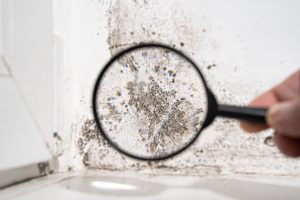
Wait for an all-clear before inspecting. Then check the ceiling, the tops of walls, and the base of every exterior wall. Wet drywall darkens and sags. Press it gently. If it feels soft, it holds water.
Move what you can off wet flooring and get air moving. Open windows only if the outside air is drier than inside, which after a tropical system it often is not. Run fans and a dehumidifier instead if you have power. In this climate, damp material does not stay merely damp for long.
Document everything before you clean. Photograph standing water, wet materials, and damaged contents. Then call for help early. After an island-wide event the queue at Hawaii Water Damage Restoration and every other Oahu crew builds fast.
Frequently Asked Questions
1.How much water should I store for a hurricane in Hawaii?
2.When is hurricane season in Hawaii?
3.What should I have for hurricane prep?
4.Does homeowners insurance cover hurricane water damage?
5.Should I fill the bathtub before a hurricane?
The Work That Has to Happen Before June
Sealant, flashing, gutters, shutters, and an insurance review all share one trait. None of them can be done once a storm has a name on it.
If a past storm left you with soft drywall or a returning stain, deal with it now. The next season should not stack on top of it. Our crews handle storm damage restoration across Oahu. When water is still coming in, Hawaii Water Damage Restoration runs emergency water extraction around the clock.
Solid hurricane water damage prep Oahu homeowners can rely on is mostly unglamorous maintenance done early. The storm decides the rest.