What Is the Water Damage Restoration Process in Hawaii?
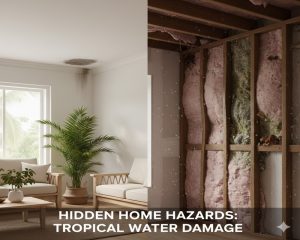
A burst pipe, overflowing appliance, roof leak, sewage backup, or sudden
flood can spread water through a property faster than most homeowners expect.
The visible water is often only part of the problem. Moisture can move
underneath flooring, behind drywall, inside cabinets, through insulation,
and into structural materials.
In Hawaii’s warm, humid environment, improper drying can make it more
difficult to control moisture, protect building materials, and reduce the
likelihood of mold growth.
The water damage restoration process is the professional
method used to stop the damage, remove water, dry affected materials, clean
contaminated areas, and restore a property to a safe and usable condition.
Professional restoration generally follows seven stages:
-
- Emergency response and safety assessment
- Water damage inspection and moisture mapping
- Standing water extraction
- Structural drying and dehumidification
- Removal of damaged materials
- Cleaning, sanitization, and odor control
- Repairs and reconstruction
The exact process depends on the water source, contamination level,
affected materials, size of the loss, and how long the water has been present.
Quick Answer: How Does Water Damage Restoration Work?
Water damage restoration begins by locating and stopping the source of
the water. Restoration technicians then inspect the property, identify
hidden moisture, remove standing water, set up professional drying
equipment, clean or remove damaged materials, and complete any necessary
repairs.
The objective is not simply to make the surface look dry. The goal is to
return affected materials to appropriate moisture levels, reduce
contamination risks, prevent additional damage, and restore the property
as closely as possible to its pre-loss condition.
What Does Water Damage Restoration Mean?
Water damage restoration is the process of recovering a home,
condominium, rental property, or commercial building after water intrusion.
The process may include:
- Emergency water removal
- Moisture detection
- Structural drying
- Dehumidification
- Removal of unsalvageable materials
- Cleaning and sanitization
- Odor control
- Mold prevention or remediation
- Drywall, flooring, cabinet, and structural repairs
- Reconstruction
Water mitigation and water damage restoration are closely related, but
they are not exactly the same.
Water Mitigation
Water mitigation focuses on stopping additional damage and stabilizing
the affected property.
This may include:
- Stopping the water source
- Extracting standing water
- Moving furniture and contents
- Removing saturated materials
- Setting up drying equipment
- Protecting unaffected areas
Water Damage Restoration
Restoration focuses on repairing and rebuilding the property after the
immediate damage has been controlled.
This may include:
- Replacing drywall and insulation
- Repairing or replacing flooring
- Reinstalling baseboards
- Rebuilding cabinets
- Painting affected areas
- Completing structural repairs
In many projects, mitigation and restoration overlap. A qualified
restoration company may coordinate both phases so the property moves
efficiently from emergency response to completed repairs.
Why Is Water Damage Restoration Especially Important in Hawaii?
Hawaii properties face several conditions that can make water damage more
complicated.
- High outdoor humidity
- Heavy tropical rainfall
- Flash flooding
- Roof and window leaks during storms
- Plumbing failures in older buildings
- Condensation from air-conditioning systems
- Salt air and coastal exposure
- Limited ventilation in some homes and condominiums
- Shared plumbing and walls in multifamily buildings
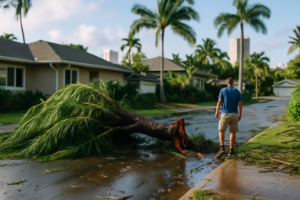
Heavy rainfall and flash flooding are established hazards across Hawaii.
The
National Weather Service
has documented destructive flooding on Oahu and other islands, including
events that damaged homes, businesses, roads, and vehicles.
Humidity also affects how quickly moisture evaporates. Opening windows
may help in some conditions, but it can be counterproductive when the
outside air is already humid.
Professional restoration teams use controlled airflow, dehumidification,
temperature, and moisture measurements rather than relying only on
natural ventilation.
What Causes Water Damage in Hawaii Homes and Businesses?
Water damage can result from an obvious emergency or a slow, concealed
problem.
Plumbing Leaks and Burst Pipes
Supply lines, drainpipes, water heaters, fixtures, and plumbing
connections can fail without warning.
Even a small pipe leak can saturate drywall, cabinets, insulation, and
flooring before the damage becomes visible.
Appliance Failures
Washing machines, dishwashers, refrigerators, ice makers, and water
heaters can release significant amounts of water.
Common causes include:
- Cracked supply lines
- Loose connections
- Blocked drains
- Failed pumps
- Overflowing appliances
- Deteriorated hoses
Roof and Window Leaks
Strong rain and wind can allow water to enter around:
- Roof penetrations
- Flashing
- Damaged shingles or roofing systems
- Skylights
- Windows
- Sliding doors
- Exterior walls
Roof leaks may travel through ceiling cavities before producing a visible
stain.
Air-Conditioning Condensation
Blocked condensate lines, overflowing drain pans, and poorly insulated
components can produce recurring moisture.
Because the leak may develop slowly, surrounding materials can remain wet
for an extended period.
Toilet Overflows and Sewage Backups
Toilet water, drain backups, and sewage intrusion can expose the property
to harmful contaminants.
These situations should not be treated like a simple clean-water spill.
Heavy Rain and Flash Flooding
Low-lying areas, overwhelmed drainage systems, streams, and intense
tropical rainfall can cause exterior water to enter homes and commercial
properties.
Floodwater should be treated as potentially contaminated.
Human Error
Water damage may also result from:
- An overflowing sink or bathtub
- A faucet left running
- An improperly installed appliance
- A hose left connected or unattended
- Windows or doors left open during heavy rain
What Are the Signs of Water Damage?
Some water losses are obvious. Others remain hidden behind finished
surfaces.
Common signs include:
- Water stains on ceilings or walls
- Bubbling or peeling paint
- Swollen baseboards
- Warped hardwood or laminate flooring
- Loose floor tiles
- Soft drywall
- Sagging ceilings
- Musty odors
- Unexplained dripping sounds
- Damp cabinets
- Condensation in unusual areas
- Discoloration around windows
- Visible mold growth
- Increased indoor humidity
- Unexplained changes in the water bill
A surface may feel dry while moisture remains behind it. Professional
inspection equipment can help locate moisture in wall cavities, under
flooring, around cabinets, and inside other concealed areas.
The Three Categories of Water Damage
Restoration professionals evaluate the source and contamination level of
the water before determining how the property should be cleaned and restored.
Water losses are commonly grouped into three categories.
Category 1: Clean Water
Category 1 water originates from a relatively sanitary source.
Examples may include:
- A broken water supply line
- A leaking faucet
- An overflowing sink without contamination
- A malfunctioning appliance connected to clean water
- Rainwater that has not contacted contaminants
Category 1 water generally presents the lowest initial contamination risk.
However, it should still be removed quickly.
Water can collect contaminants as it travels through flooring, walls,
insulation, and other building materials.
Category 2: Gray Water
Category 2 water contains a meaningful level of contamination and may
cause discomfort or illness if swallowed or contacted improperly.
Possible sources include:
- Washing machine discharge
- Dishwasher overflow
- Some toilet overflows without fecal matter
- Water containing detergents or chemicals
- Certain drain or appliance backups
Affected materials may require cleaning, sanitization, or removal
depending on their porosity and exposure.
Category 3: Black Water
Category 3 water is heavily contaminated and may contain dangerous
microorganisms, chemicals, sewage, or other hazards.
Possible sources include:
- Sewage backups
- Floodwater
- Toilet overflows containing feces
- Water from rivers, streams, or storm runoff
- Long-standing contaminated water
People and pets should stay away from affected areas.
Black-water cleanup requires appropriate protective equipment,
containment, cleaning procedures, and disposal practices.
Can Clean Water Become Contaminated?
Yes.
Water conditions can worsen over time as water contacts dirty surfaces,
building materials, microorganisms, chemicals, and other contaminants.
The longer water remains in the property, the more complex the restoration
may become. This is one reason emergency extraction and drying should
begin as soon as it is safe to do so.
The Water Damage Restoration Process: Step by Step
1. Emergency Response and Safety Assessment
The first stage is controlling immediate hazards.
A restoration team may assess:
- Whether the water source has been stopped
- Electrical risks
- Structural instability
- Ceiling damage
- Contamination
- Slip-and-fall hazards
- Affected utilities
- Whether occupants should leave the area
If water is near outlets, electrical panels, wiring, or appliances,
occupants should not enter the wet area until it is confirmed safe.
The source of the water must also be stopped or controlled.
Depending on the situation, that may require:
- Closing a fixture valve
- Shutting off the main water supply
- Turning off an appliance
- Calling a plumber
- Completing an emergency roof repair
- Coordinating with building management
- Addressing a sewer or drain backup
For condominiums and multifamily buildings, the response may also involve
identifying whether the water originated in another unit or a shared
building system.
Learn more about what to do during an emergency on our emergency water damage service page.
2. Inspecting and Mapping the Water Damage
Once immediate hazards are controlled, technicians inspect the property
to determine how far the water has spread.
The inspection may include:
- Visual examination
- Moisture-meter readings
- Relative-humidity readings
- Temperature measurements
- Thermal imaging
- Inspection beneath flooring
- Evaluation of drywall and insulation
- Examination of cabinets and wall cavities
- Identification of affected rooms
- Classification of the water source
The goal is to create a moisture map of the affected area.
This helps the restoration team determine:
- Which materials may be saved
- Which materials may need removal
- What extraction equipment is needed
- How many air movers or dehumidifiers may be required
- Whether containment is necessary
- How the drying process should be monitored
Why Visual Inspection Is Not Enough
Water can travel farther than the visible stain.
For example, moisture from a leaking refrigerator may spread beneath
cabinets and flooring. A roof leak may travel along framing before
appearing in a ceiling. Water from an upstairs unit may move through wall
and plumbing cavities into multiple rooms below.
Professional measurements provide more reliable information than touch or
appearance alone.
3. Removing Standing Water
The next stage is water extraction.
Standing water may be removed using:
- Submersible pumps
- Truck-mounted extraction systems
- Portable extractors
- Wet vacuums designed for professional use
- Carpet and floor extraction tools
- Specialized tools for hard-surface flooring
Removing bulk water quickly can:
- Reduce drying time
- Limit migration into unaffected areas
- Protect structural materials
- Reduce damage to flooring and cabinets
- Lower the amount of moisture released into the air
- Make the property safer to work in
Contents may also be moved, blocked, or packed out to protect them from
continued exposure.
Can Homeowners Remove Water Themselves?
A very small clean-water spill on a nonporous surface may be manageable
with towels or an appropriate wet vacuum.
Professional help is recommended when:
- Water affects multiple rooms
- Carpet or padding is saturated
- Drywall or insulation is wet
- Hardwood flooring is affected
- Water came through the ceiling
- The source is contaminated
- Water has been present for several hours
- The extent of hidden moisture is unknown
- The property is a condominium or commercial building
A standard household vacuum should never be used to collect water.
4. Structural Drying and Dehumidification
After visible water is removed, the structure may still contain
significant moisture.
Drying equipment is used to move moisture out of building materials and
remove it from the air.
Air Movers
Air movers create controlled airflow across wet surfaces. This helps
moisture evaporate from materials such as:
- Drywall
- Wood framing
- Flooring
- Carpet
- Cabinets
- Concrete
Dehumidifiers
Dehumidifiers remove water vapor from the air.
This is especially important in Hawaii, where outdoor humidity can slow
evaporation and make uncontrolled ventilation less effective.
Moisture Meters
Moisture meters help technicians determine whether materials are returning
to appropriate moisture levels.
Thermo-Hygrometers
These instruments measure temperature and relative humidity, allowing
technicians to evaluate and adjust drying conditions.
Specialty Drying Systems
Depending on the loss, technicians may use systems designed to dry:
- Hardwood flooring
- Wall cavities
- Cabinets
- Ceilings
- Low-permeability materials
- Concrete or masonry
5. Removing Damaged Materials
Not every wet material must be removed.
The decision depends on:
- Contamination level
- Material type
- Duration of exposure
- Structural condition
- Ability to clean the material
- Ability to dry it completely
- Cost of restoration compared with replacement
Materials that may sometimes be dried and restored include:
- Structural framing
- Some hardwood flooring
- Tile
- Concrete
- Certain cabinets
- Nonporous surfaces
Materials that may require removal include:
- Saturated insulation
- Contaminated carpet padding
- Damaged drywall
- Swollen composite wood
- Delaminated flooring
- Mold-contaminated porous materials
- Materials exposed to sewage or floodwater
The Environmental Protection Agency notes that absorbent materials with mold growth may need replacement when
they cannot be effectively cleaned and dried.
Unnecessary demolition should be avoided.
A professional inspection helps determine the smallest reasonable amount
of material that must be removed while still allowing proper cleaning and
drying.
6. Cleaning, Sanitization, and Odor Control
Once extraction and material removal are complete, affected surfaces are
cleaned according to the water category and conditions found on site.
This stage may include:
- Physical removal of dirt and debris
- Cleaning of salvageable materials
- Application of appropriate disinfectants
- Cleaning of structural components
- HEPA vacuuming
- Odor treatment
- Content cleaning
- Containment of affected areas
- Proper disposal of contaminated materials
Cleaning and disinfection are not interchangeable.
Cleaning physically removes dirt, residues, and organic material.
Disinfection may be performed afterward when contamination conditions
require it.
Odors should not simply be covered with fragrance. The source of the odor
must be removed, cleaned, dried, or remediated.
7. Repairs and Reconstruction
After the structure is dry and clean, repairs can begin.
Minor repairs may include:
- Replacing baseboards
- Patching drywall
- Painting
- Replacing a small section of flooring
- Reinstalling trim
Larger reconstruction projects may include:
- Replacing drywall and insulation
- Rebuilding walls or ceilings
- Replacing flooring
- Repairing cabinets
- Reconstructing bathrooms or kitchens
- Repairing structural components
- Restoring affected commercial spaces
A coordinated restoration process reduces the number of contractors the
property owner must manage and creates a clearer transition between
mitigation and reconstruction.
How Long Does Structural Drying Take?
There is no universal drying time.
The timeline depends on:
- Amount of water
- Length of exposure
- Material type
- Temperature
- Relative humidity
- Airflow
- Contamination
- Accessibility
- Whether materials must be removed
- Weather conditions
- Building construction
Some small losses may dry within several days. More extensive damage may
require a longer period and repeated monitoring.
The equipment should not be removed simply because surfaces feel dry.
Technicians take moisture readings throughout the process and compare
affected materials with appropriate dry standards or unaffected areas.
Why Is Fast Drying Important?
The EPA recommends drying wet or damp materials within approximately 24 to
48 hours when possible to reduce the likelihood of mold growth.
The agency also identifies moisture control as the central factor in
preventing indoor mold.
Fast action may help reduce:
- Flooring deformation
- Drywall deterioration
- Cabinet swelling
- Paint failure
- Musty odors
- Material delamination
- Microbial growth
- Structural damage
The 24-to-48-hour guidance does not mean mold automatically appears at one
precise moment. It means wet materials should be addressed urgently rather
than left to dry naturally.
Is Mold Remediation Part of Water Damage Restoration?
It can be.
Water damage restoration focuses on controlling water, drying materials,
cleaning the property, and completing repairs.
Mold remediation becomes necessary when mold growth is discovered or when
conditions require a separate microbial-remediation process.
Mold remediation may involve:
- Containment
- Air filtration
- Removal of contaminated materials
- HEPA vacuuming
- Cleaning of remaining structural materials
- Moisture-source correction
- Independent testing when appropriate
The EPA emphasizes that mold cannot be controlled without correcting the
underlying moisture problem. Cleaning visible mold without fixing the
water source makes recurrence likely.
Mold sampling is not automatically necessary in every situation. The need
for testing depends on the circumstances, project requirements, insurance
considerations, health concerns, and the scope of visible or suspected
growth.
Learn more about professional
mold remediation in Hawaii
.
How Long Does the Entire Water Damage Restoration Process Take?
The total project timeline depends on the severity of the loss.
Emergency Response
Emergency response usually begins as soon as the restoration team arrives.
Water Extraction
Extraction may take several hours or longer depending on the amount of
water and the affected area.
Structural Drying
Drying often requires multiple days, with regular moisture monitoring.
Cleaning and Damaged-Material Removal
Cleaning and removal may occur during extraction and drying or after
moisture conditions are controlled.
Reconstruction
Reconstruction may take days or weeks depending on material availability,
permits, insurance approval, and the extent of repairs.
A small appliance leak affecting one room will not follow the same timeline
as floodwater affecting an entire home.
A reliable restoration company should explain:
- The current scope
- Immediate priorities
- The expected drying plan
- Materials that may require removal
- The monitoring schedule
- Repair requirements
- Factors that could change the timeline
Does Homeowners Insurance Cover Water Damage in Hawaii?
Coverage depends on the cause of the damage and the terms of the policy.
Many homeowners policies distinguish between sudden and accidental water
damage and damage caused by long-term maintenance problems.
Examples that may be treated differently include:
- A suddenly burst pipe
- A slow leak that continued for months
- A leaking roof
- An appliance failure
- A sewer backup
- Exterior flooding
Flood damage from rising exterior water is generally handled differently
from many internal plumbing losses and may require separate flood insurance.
Property owners should:
- Stop additional damage when safely possible.
- Photograph and record affected areas.
- Keep receipts and invoices.
- Notify the insurer promptly.
- Ask which emergency mitigation activities are authorized.
- Review exclusions, deductibles, and coverage limits.
Do not delay emergency water extraction simply to wait for an insurance
inspection when water is actively spreading.
What Should You Do While Waiting for a Restoration Company?
Only take action when the area is electrically and structurally safe.
You may be able to:
- Shut off the water source
- Keep people and pets away
- Move dry belongings from nearby areas
- Photograph visible damage
- Place containers beneath minor active drips
- Contact the property manager
- Notify your insurance provider
- Gather relevant policy and property information
Do not:
- Enter standing water near electricity
- Use a household vacuum
- Handle sewage or floodwater
- Remove large areas of drywall
- Turn on wet appliances
- Walk beneath a sagging ceiling
- Spread contaminated items into dry rooms
- Assume a wet structure will dry without professional monitoring
How Do You Choose a Water Damage Restoration Company in Hawaii?
Look for a company that can clearly explain its process and document how
affected materials are evaluated.
Important considerations include:
- Emergency availability
- Local service area
- Water extraction capabilities
- Moisture detection equipment
- Structural drying experience
- Mold remediation capabilities
- Documentation procedures
- Communication throughout the project
- Ability to perform or coordinate repairs
- Experience with homes, condos, and commercial properties
Be cautious when a provider recommends extensive demolition without
showing moisture readings, contamination concerns, or a clear technical
reason.
You should understand:
- What is wet
- How it was measured
- What can be saved
- What must be removed
- How the area will be dried
- How completion will be verified
Water Damage Restoration in Oahu
Water damage in Hawaii requires fast action, accurate moisture detection,
and a drying plan that accounts for local humidity and building conditions.
Hawaii Water Damage Restoration provides professional assistance for
properties affected by:
- Burst pipes
- Appliance leaks
- Roof leaks
- Flooding
- Sewage backups
- Wet drywall
- Damaged flooring
- Hidden moisture
- Mold growth
- Storm-related water intrusion
Our process may include emergency assessment, water extraction, moisture
mapping, structural drying, cleaning, mold remediation, material removal,
and reconstruction.
If water is entering your property now, do not wait for visible damage to
spread.
Contact Hawaii Water Damage Restoration for 24/7 emergency water damage
service in Oahu.
Frequently Asked Questions
What Is the First Step in Water Damage Restoration?
The first step is making the property safe and stopping the source of
the water. Technicians then inspect the affected areas and identify the
extent of visible and hidden moisture.
Is Water Extraction the Same as Water Damage Restoration?
No. Water extraction is one stage of restoration. The complete process
may also include inspection, structural drying, cleaning, material
removal, mold remediation, and repairs.
Can Water-Damaged Drywall Be Saved?
It depends on the water category, saturation level, duration of exposure,
and condition of the drywall. Some limited clean-water damage may be
dried, while contaminated, deteriorated, or mold-affected drywall may
require removal.
How Do Restoration Professionals Find Hidden Water?
Professionals may use moisture meters, thermal imaging, humidity
measurements, visual inspection, and targeted evaluation of flooring,
walls, cabinets, and ceiling cavities.
Can Hardwood Flooring Be Saved After Water Damage?
Some hardwood floors can be dried using specialized equipment when the
damage is addressed quickly. Replacement may be required when boards are
severely warped, contaminated, delaminated, or structurally damaged.
How Long Should Dehumidifiers Run After Water Damage?
Dehumidifiers should run until moisture measurements confirm that the
affected structure has reached an appropriate dry condition. The
required time depends on the materials, humidity, temperature, and
extent of the damage.
Does Opening Windows Help Dry Water Damage in Hawaii?
It depends on outdoor conditions. Opening windows may help when outside
air is drier than indoor air, but it may slow drying when outdoor
humidity is high. Controlled dehumidification is often more reliable.
How Quickly Should Water Damage Be Addressed?
Water damage should be addressed immediately. The EPA recommends drying
wet materials within approximately 24 to 48 hours when possible to reduce
the likelihood of mold growth.
Do I Need Mold Remediation After Every Water Leak?
No. Mold remediation is not automatically required after every leak. Fast extraction and drying may prevent growth. Remediation may be necessary when mold is visible, suspected, or confirmed within affected materials.
Can I Stay in My Home During Water Damage Restoration?
That depends on the size of the affected area, water contamination,
electrical safety, structural conditions, noise, equipment placement,
and the rooms involved. The restoration team can advise whether temporary
relocation is appropriate.