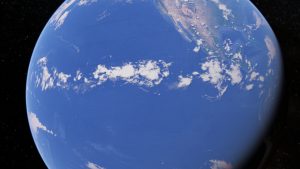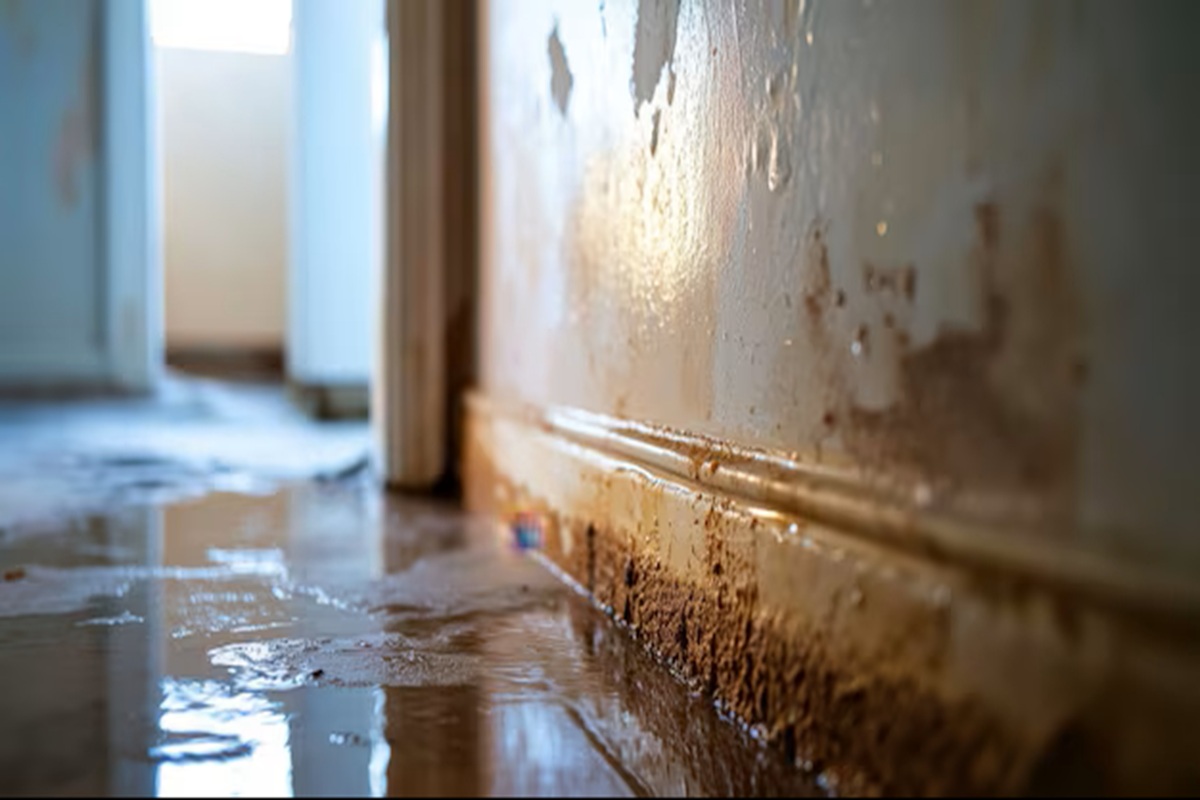
Picture yourself living the dream on Oahu, with the warm ocean breeze sweeping across lush green land and all aspects of the local culture brightening your day. That dreamland is competitive with one relentless adversary when you own a home or property in Hawaii: water. Unlike mainland environments, where structural materials can dry very slowly, once water has intruded into a home in Hawaii, it can escalate from minor inconvenience to full-blown catastrophe in twenty-four hours.
If you have ever come home to a broken pipe, an overwhelming rain intrusion, or have experienced an appliance leak, you know that dreadful feeling of helplessness. This article illustrates how complex environmental factors create hyper-accelerated water intrusion across Oahu.
More importantly, we will guide you through what immediate steps you must take to stop further destructive consequences to minimize potential damages, and protect your property when a water incident strikes, with emphasis on professional water damage restoration Oahu services. Understanding this environment for water intrusion is crucial to protecting yourself from some very expensive damage, hence property loss.
The Tropical Environment Factor: Why Water Damage Is Hyper Accelerated
The same elements that contribute to Oahu’s beauty are also conspiring against homes by creating a “perfect storm” of rapid progress of damage. Continuous moisture, intense heat, and localized atmospheric conditions mean that when water gets in, it does not just stay there; it begins to aggressively consume materials.
High Humidity and Constant Moisture Load
Hawaii is noted for its tropical climate, which means extreme humidity. On a clear day, the moisture content in the air is vast. When a pipe leaks or a roof leaks, the surrounding air is already saturated. It will not allow materials like drywall, wood, or insulation to dry out on their own.
Instead of drying through evaporation, the materials will absorb the intrusion quickly, maintaining the moisture. This causes an incubation of biological growth as well as structural decay. With the constant atmospheric load, prompt mitigation is vital for a successful water damage repair plan.
Architectural Vulnerabilities and Construction Materials
Many of the older homes built in Hawaii feature designs that can maximize ventilation, such as open eaves and louvered windows. These are great for comfort in the warmer months, but can compromise the envelope in times of high winds and heavy rain. Older construction techniques often utilized materials that are not as resistant to chronic moisture.
In addition, island buildings tend to incorporate highly porous assemblies. Drywall and wood framing take up water like a sponge, which then compromises their structural capabilities quickly, causing them to warp and swell, and their collapse is accelerated in wet, humid conditions than on mainland where they would desiccate.
Salt Air Corrosion and Material Breakdown
The persistent, corrosive nature of the salt-infused air can affect every exterior component of a structure, from roofing materials to window frames. This continual onslaught degrades materials over time, which will allow for microscopic entry points for moisture or water infiltration even before a catastrophic failure occurs.
A slight compromise in the integrity of a flashing or a corroded pipe joint will be much more likely to fail due to a sudden storm. The subtle degradation of the material means that even minor leaks can exploit pre-damaged structural points, allowing moisture to enter – this will necessitate the immediate response of a water damage restoration company on Oahu.
Tropical Storms and Flash Flooding
While slow leaks are problematic, Oahu often faces sudden, massive water intrusions from intense tropical weather. Hurricanes, tropical depressions, and even standard torrential downpours deliver huge volumes of water over short periods.
When municipal drainage systems are overwhelmed or when storm surges occur, homes can be inundated with several feet of water in minutes. This immediate, high-volume exposure guarantees widespread contamination and structural failure, demanding professional Hawaii water damage restoration intervention without delay.
The Clock Is Ticking: The Science of Accelerated Damage Progression
Knowing how quickly damage actually progresses in a warm, moist environment like Oahu accentuates the need for a quick response. Restoration professionals break down the cost based on the speed of deterioration, based à on rapid contamination and decaying structural materials.
In the first few hours after intrusion, water moves fast, by capillary action through walls, subfloors, and framing. Wood swells, plaster weakens, and finishes blister.
In twenty-four to forty-eight hours, we see the real enemy: mold. With higher ambient humidity than the mainland, and mold spores always in the environment, even small amounts of moisture create extremely favorable growing conditions, allowing mold to colonize porous materials like drywall and insulation very quickly. Mold becomes a health issue and requires far worse remediation, and will cost much more.
This quick deterioration is why quick fixes or delayed responses are bad. You wait, and now it is no longer wet; it is infested with mold and compromised materials, therefore will require mold remediation, completely replace and repair structural components, and cost much more money.
Immediate Action: Your Critical Steps After Water Damage
Experiencing standing water or active leaking in your house can cause a person to lose their composure. However, the very best thing you can do is to take action so you can limit the amount of damage incurred.
Stop the Water (If Safe)
The very first thing to do is to stop the water from entering the property. If the water is a result of a rupture from piping or a leaking fixture, and you can easily access it, turn off the valve to the water main in your home. If the source of water is electrical or is coming from the exterior of your home (storm flooding), you should consider your safety first and the mitigation efforts second. Do not enter or make contact with any area where standing water meets electrical outlets or code-compliant appliances.
Safety and Photo Documentation
If you can safely access the breaker panel for power in the affected area, the first thing to do is turn off power to that area. Contaminated water from things like sewer backups or flooding from the storm is the most dangerous and should be avoided at all costs. Even if you swear that there is clean water, it is very wise not to avoid contact with the contaminated water.
Take pictures and videos. Take good, clear pictures and videos of the affected area (including contents) with timestamps. This step is very important when you go to file insurance claims and also to show the water damage services, Oahu team, what the damage is.
Call Professional Water Damage Restoration Oahu
Do not attempt to do large amounts of drying or removal of soaked structural materials yourself. Professional restoration contractors have specialty equipment to extract, dehumidify, and dry structural materials that cannot be replicated by homeowner equipment. Also, attempting DIY drying in a high-humidity environment can often trap the moisture within the building envelope, leading to mold and decay that cannot be seen.
When you search for water damage restoration near me, look for a provider that can offer a responsive twenty-four-hour emergency service. Calling a professional who responds right away significantly increases the chances of saving the structural materials and avoiding secondary damage.
ALSO READ: How to Protect Flooring and Carpets During Emergency Water Extraction
Choosing Expert Hawaii Water Damage Restoration Services
When selecting a water damage restoration company on Oahu, local expertise matters immensely. The contractor must understand the unique building materials and climate conditions specific to the island. They need experience mitigating high category water damage, common after tropical storms, and be skilled in comprehensive mold prevention protocols.
Look for a service that employs advanced technology like thermal imaging and hygrometers to identify hidden pockets of saturation within walls and beneath floors. True restoration success is not just about removing the visible water; it is about achieving verifiable dryness in every material, thereby stabilizing the structure against future mold development.
Hawaii Water Damage Restoration provides the swift, expert response necessary to combat the rapid damage progression seen across Oahu. We specialize in detailed damage assessment, immediate extraction, and accelerated structural drying, tailored to the specific demands of the tropical environment.
If water has found its way into your home, act now. Do not delay professional help, as every hour spent waiting exponentially increases the complexity and cost of the restoration process. Protecting your structure and its contents starts with a single call to a trusted local expert.
A Final Thought on Protecting Your Island Home
The allure of living on Oahu should not be diminished by water damage, but the island’s tropical climate requires more attention. High humidity, combined with salt air and construction styles, makes for a perfect trifecta to facilitate the same problems with decay that can turn a leak into a large issue in no time.
The main takeaway is that when a water intrusion occurs, the response must be immediate and professional. A reputable Oahu water damage restoration company will have the techniques and equipment to stop structural damage and avoid horrific mold growth potential. Don’t mess with your property integrity.
Call Or contact us Hawaii Water Damage Restoration right after every water emergency to schedule a quick inspection and start the necessary drying process today! Your quick thinking is your best defense in preserving your island paradise.