Thermal imaging, also known as infrared scanning, is a technology that identifies an object’s or surface’s heat signature. All materials emit infrared energy; thermal cameras translate the energy into visible images and imprint them on a computer, showing the temperature differential among all surfaces in the image. This temperature differential makes the inspection experience very easy with thermal imaging technology.
Restoration companies in Oahu utilize thermal imaging technology in their protocols to determine water leaks that are not visible to the naked eye. This system gives you a comprehensive, live visual that shows temperature changes across walls, ceilings, and floors so that you can determine where moisture is gathering.
Why Hidden Water Damage is a Big Deal
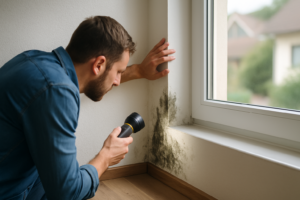
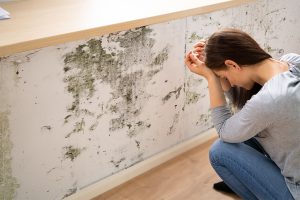
Hidden water damage is one of the worst threats to your home’s structure and indoor air quality. Water trapped inside walls or floors can induce mold, wood rot, and electrical issues. The worst part about hidden water damage is that you won’t even know it is there until it manifests in visible damage or smells.
Over time, hidden water damage will weaken your property’s structure, disrupt insulation, and create financial liability from repairs. It is not just a matter of damaged materials; it can also lead to respiratory problems and allergies for those living in a water-damaged home.
The Science of Thermal Imaging
Thermal imaging cameras pick up variations in surface temperature and present that data in color-coded images. This means warmer areas show as red, orange, or yellow, while cooler areas, which could be a target for moisture, will display in shades of blue or purple. Professionals use thermal imaging when they inspect to illustrate how moisture has infiltrated building materials.
The best things about thermal imaging are its accuracy and being non-invasive. For example, restoration professionals can examine water damage using this method without potentially needing to unnecessarily remove drywall, flooring, or other areas to apply thermal imaging.
Benefits of Thermal Imaging to Detect Water Damage
There are several benefits of using thermal imaging to detect water damage. The most significant ones include precision, efficiency, and cost savings.
- Non-Invasive Inspection
- Thermal imaging allows for non-invasive moisture detection, unlike traditional methods that require creating damage by breaking walls into wet spaces or removing flooring. This reduces damage to the property and speeds up the inspection process.
- Early Detection
- Thermal imaging can detect moisture issues early, before they become critical. With thermal imaging, homeowners can pinpoint the source of leaks, preventing mold growth and structural deterioration that would potentially need costly Water Damage Repair in Oahu later.
- Complete Assessment
- Thermal imaging provides a full picture of moisture patterns and helps professionals fully understand the extent of damage. It also assists in developing a successful course of action for restoration aimed at long-term resolution.
- Verification of Repairs
- Thermal imaging can also be utilized after a restoration to verify that all the moisture has been removed from areas of concern. This verification can assure a homeowner that their property is fully restored and does not have the potential for a recurring health issue in the future.
How Professionals Use Thermal Imaging in Restoration
Restoration professionals utilize thermal imaging at many stages of Water Damage Restoration in Oahu. It begins with the initial inspection, where technicians will scan ceilings, floors, and walls to find moisture that is not otherwise visible. This will help technicians find the source of moisture damage, whether from roof leaks, plumbing leaks, or flooding.
Once moisture is identified, technicians can use thermal imaging to create an accurate drying plan to ensure restoration of all the affected areas while limiting drying time and preventing mold from starting after the event. Finally, after the restoration work has been completed, the thermal imaging can be repeated to confirm that the drying process has returned everything to a good state, and the property is safe for use.
Common Places Thermal Imaging Will Discover Hidden Moisture
Thermal imaging is very effective at locating water damage in areas that aren’t easily inspectable. For instance:
- Walls and ceilings: Leaks from roofs or plumbing systems can create hidden moisture in walls and ceilings.
- Floors and subfloors: Water can migrate below tiles, hardwood, or carpeting without any observable signs.
- Basements and crawl spaces: These locations are very susceptible to humidity and condensation that can lead to hidden water damage over time.
- Behind appliances: Dishwashers, washing machines, and water heaters may leak for weeks without the homeowner’s notice.
Via thermal imaging, water damage restoration professionals in Oahu can help locate these hidden issues before they grow.
Why Oahu Homes Have a High Risk of Water Damage
Oahu homes may be difficult to maintain when water intrusion does occur. Oahu’s tropical climate offers high humidity and a lot of rain, making homes much more susceptible to water intrusion. Salt air, ocean winds, and temperature variations also contribute to moisture buildup over time. Even minor leaks or condensation can become major repairs if not dealt with quickly.
That’s why it’s important to have water damage detection in mind as an Oahu homeowner. Whether your water intrusion is from flooding due to a storm, a leaking roof, or a broken pipe, knowing some areas to look for water will save you time and money on major repairs!
The Relationship Between Water Damage and Mold
And where there is moisture, there is mold. Without rapid drying and detection, mold growth may begin in as little as 24 to 48 hours after a water loss occurs. Following the onset of mold growth, it will proliferate rapidly and develop spores that can have negative impacts on air quality within the residence and can negatively impact human health.
Thermal imaging is valuable in avoiding mold infestation due to its ability to detect water issues within the home before they become a large issue. Acting quickly can save the homeowner money on the remediation process and avoid health complications related to long-term mold exposure.
Thermal Imaging and Moisture Meters
Thermal imaging detects temperature differences from one surface to another; it does not measure moisture content. In order to make sure an accurate reading is made, a professional water damage expert would utilize both the imaging device and a moisture meter. A moisture meter detects if water is the cause of the dark blue patch in the scanning image or the cold areas noticed.
Reviewing both methods allows the water damage professional to provide a thorough and evidence-based assessment of any water damage or areas of high moisture. The assessment allows for knowledgeable removal and drying of all moisture and materials.
The Importance of Hiring an Expert
There are handheld infrared cameras for homeowners to use; however, without proper training and experience, interpreting a thermograph and making a diagnosis is not possible. Restoration professionals understand the difference between thermal imaging due to water versus temperature differences seen from gaps in air or the insulation used in construction.
Professionals within our industry offering Water Damage Services Oahu will have advanced infrared imaging equipment and supplementary tools to guarantee reliable, measured results. The professionals increase the chance of reliable diagnostic interpretation and assessments for restoration preparation.
Choosing the Right Restoration Service in Oahu
Choosing the right restoration specialist for Water Damage Oahu can mean a difference in service and performance. A licensed company with a good construction emergency history would be appropriate. Having familiarity with infrared inspections and modern drying strategies in dealing with recovery from flooding or water intrusion is also essential, along with disclosing to you all pricing.
In addition, a reputable restoration team would work with you in compliance with any insurance claim or claims process, and also offer some discussion that could lead to ideas on preventative maintenance needs for long-term peace of mind.
Bottom Line: Thermal Imaging Delivers Quality Water Damage Detection
Thermal imaging has changed the way experts detect and assess water damage in a residential structure. Thermal imaging technology allows for same-day, non-invasive assessments for early detection of hidden moisture and allows prevention of stress, time, and money for homeowners. If you invest time and money in regular inspections with a well-qualified professional team, you can help limit the burden of having to deal with water or mold issues.
If you need dependable expert care, feel free to reach out to Oahu Water Damage Restoration, who utilize advanced technology for a thorough approach in examining, drying, and restoring your home.
About Hawaii Water Damage Restoration
Hawaii Water Damage Restoration is a trusted local partner you need when searching for Water Damage Restoration Near Me. Our qualified and highly trained team uses industry-leading thermal imaging technology for water damage inspections.
Whether you need an emergency restoration response or require a preventative inspection, we are here to provide a timely and reliable restoration service to keep your home safe and dry. Give us a call today to start a restoration inspection.