Asbestos is a hazardous material once widely used in building construction for insulation, fireproofing, and durability. Today, it’s recognized as a significant health risk when disturbed, releasing microscopic fibers that can lead to lung cancer, mesothelioma, and asbestosis. If you own an older property in Oahu, it’s possible that asbestos-containing materials (ACMs) still exist within walls, ceilings, flooring, or insulation. When dealing with asbestos, two common solutions come into focus: abatement and encapsulation. But which is right for your situation?
This article explores the facts, benefits, and risks of each method as explained by an asbestos abatement company in Oahu, helping you make an informed decision to protect your property and the people inside.
What Is Asbestos Abatement?
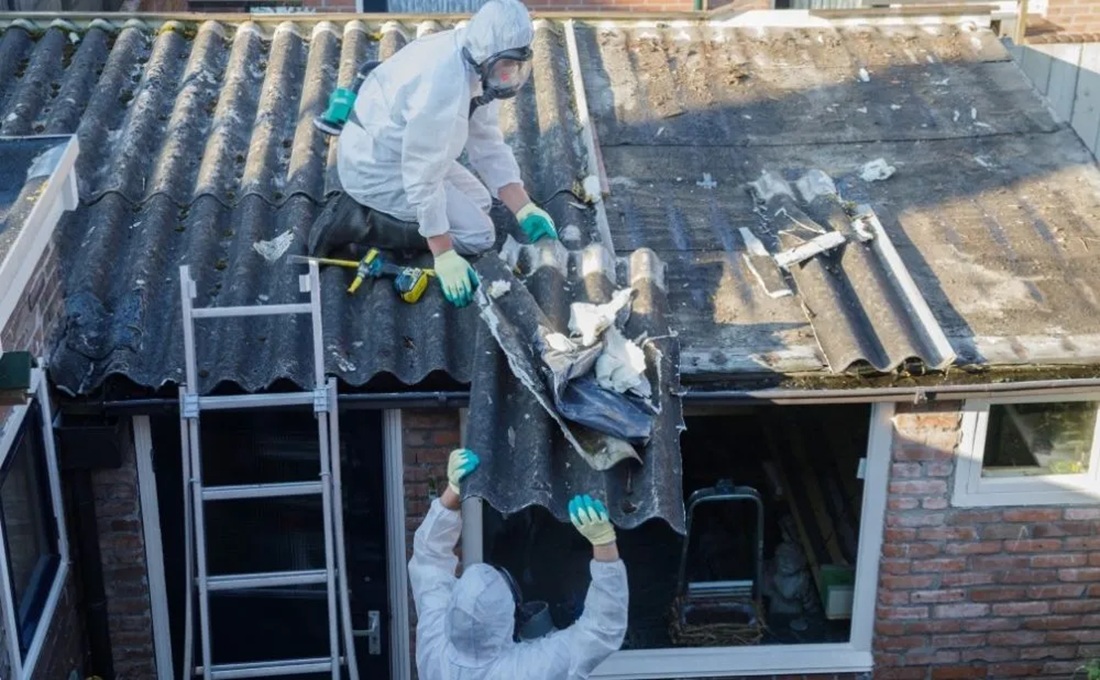
Asbestos abatement refers to the complete removal and safe disposal of asbestos-containing materials from a property. Certified professionals use specialized equipment, protective gear, and strict containment procedures to ensure asbestos fibers do not escape into the air during the process.
Abatement is a permanent solution. Once asbestos is removed, the risk is eliminated. This makes abatement a preferred option in cases where materials are deteriorating, renovation is planned, or occupants are at significant risk of exposure.
Benefits of Abatement:
- Eliminates long-term risk: Once removed, asbestos no longer poses a hazard.
- Ideal for renovations: Prevents future disturbances when remodeling or demolishing.
- Peace of mind: Homeowners and businesses know the threat is completely gone.
Drawbacks of Abatement:
- Cost: Abatement tends to be more expensive than encapsulation due to labor, disposal fees, and protective measures.
- Disruption: The process may require temporary relocation until completion.
What Is Asbestos Encapsulation?
Encapsulation, unlike abatement, involves sealing asbestos-containing materials with a special adhesive or coating. This prevents asbestos fibers from being released into the air, even if the material is disturbed slightly. Encapsulation is often used when asbestos is in good condition and not crumbling or breaking apart.
Instead of removing the material, encapsulation stabilizes it, keeping it safe from immediate risk while reducing costs and disruptions.
Benefits of Encapsulation:
- Cost-effective: Generally less expensive than abatement.
- Less invasive: The building can often remain occupied during encapsulation.
- Quick application: Encapsulation is faster to implement than full removal.
Drawbacks of Encapsulation:
- Not permanent: If the encapsulated material deteriorates later, it may still require removal.
- Limited scenarios: Works only when asbestos is stable and not severely damaged.
- Future complications: Renovations or demolitions will still require abatement.
Comparing Abatement and Encapsulation
When deciding between the two, property owners should consider several key factors:
- Condition of the Material – If asbestos-containing materials are damaged or friable (easily crumbled), abatement is often the only safe option. If materials are intact and stable, encapsulation may suffice.
- Planned Renovations – For those planning major remodeling or demolition, abatement is strongly recommended, as asbestos will likely be disturbed.
- Budget Considerations – Encapsulation is usually more affordable upfront, but abatement eliminates future risks and costs.
- Health Concerns – If there are vulnerable individuals on the property, such as children, the elderly, or those with respiratory issues, complete removal provides the greatest peace of mind.
- Long-Term Ownership – If you plan to keep the property long-term, abatement ensures the problem never resurfaces.
The Importance of Professional Services
Whether you choose abatement or encapsulation, it’s critical to work with licensed professionals. Handling asbestos is not a DIY project. Certified experts follow strict guidelines for containment, removal, disposal, and post-work air testing to ensure the property is safe.
Searching for Water Damage Restoration in Oahu may also connect you with providers who specialize not only in water-related issues but also in asbestos remediation, since both require similar safety and containment measures. Choosing the right company ensures your property is handled with care and compliance.
Common Misconceptions About Asbestos Solutions
- “Encapsulation is just as good as abatement.”
Not always. Encapsulation is only a temporary solution and cannot fully eliminate the risk. - “If asbestos is present, it must always be removed.”
Not true. If the asbestos is stable and undisturbed, encapsulation may be a safe alternative. - “I can remove asbestos myself if I wear a mask.”
This is dangerous and illegal in many cases. Improper handling can contaminate your home and expose you to severe health risks. - “Asbestos isn’t dangerous if I don’t touch it.”
While asbestos is most hazardous when disturbed, aging materials can deteriorate on their own, creating risks over time.
How to Decide Which Option Is Right for You
When facing asbestos in your property, consult with asbestos remediation specialists in Oahu to assess the situation. They will perform an inspection, identify the condition of asbestos-containing materials, and recommend the safest course of action.
If asbestos is crumbling, located in high-traffic areas, or likely to be disturbed, abatement is the safer choice. If asbestos is stable, encapsulation can be a cost-effective and practical option, especially for homeowners who don’t plan major renovations.
Ultimately, the right decision balances safety, cost, and future property plans.
Long-Term Safety Considerations
Even after abatement or encapsulation, property owners should take steps to ensure ongoing safety:
- Schedule regular inspections of areas where asbestos was encapsulated.
- Keep records of abatement or encapsulation work for future buyers or tenants.
- Avoid DIY projects in areas that may still contain asbestos.
- Work with professionals who provide asbestos abatement in Oahu.
These measures protect both your health and property value in the long term.
Why Timing Matters
Delaying action on asbestos can have serious consequences. Over time, building materials deteriorate, making encapsulation less effective and removal more complex and costly. Acting early ensures a safer and more affordable resolution.
For homeowners and business owners in Oahu, where older structures may still contain asbestos from past construction practices, taking prompt steps is critical. Asbestos-focused contractors can save lives and prevent future expenses.
Conclusion
Both asbestos abatement and encapsulation are valid solutions, but the right choice depends on the condition of your materials, your budget, and your future property plans. Abatement offers a permanent resolution and peace of mind, while encapsulation provides a cost-effective, short-term fix for stable materials.
No matter which option you choose, professional guidance is essential. Licensed experts ensure asbestos is handled safely, protecting your health, your property, and your future.
About Hawaii Water Damage Restoration
Hawaii Water Damage Restoration is a trusted provider of Oahu asbestos remediation services. Based locally, our team specializes in restoring homes and businesses affected by water, mold, and hazardous materials. Whether you need complete asbestos abatement, encapsulation, or water damage repair in Oahu, we deliver professional solutions backed by years of expertise.
Our goal is to provide safe, reliable, and compassionate services that give property owners peace of mind in the face of unexpected challenges. Contact us today to schedule an asbestos abatement service.